Source Double Wall Embossed Coffee Cup for Cafes, Offices, Events
Explore 30 listings for the Double Wall Embossed Coffee Cup, comparing features like material, capacity, and customization options. Buyers can evaluate glass and paper variants with handles or covers from suppliers in China.
Key considerations
Products List




Comprehensive Sourcing Guide
Strategic Sourcing Guide for Double Wall Embossed Coffee Cups
The global demand for premium beverage packaging has elevated the Double Wall Embossed Coffee Cup from a simple utility to a critical brand asset. For B2B procurement professionals, sourcing these items requires a nuanced understanding of material science, manufacturing capabilities, and supply chain logistics. The specific combination of double-wall insulation and embossed textures offers distinct advantages in thermal retention and tactile experience, yet it introduces complexity in the selection process. This guide synthesizes available market data and technical requirements to provide a disciplined framework for evaluating suppliers and products in this category.
Technical Specifications and Material Architecture
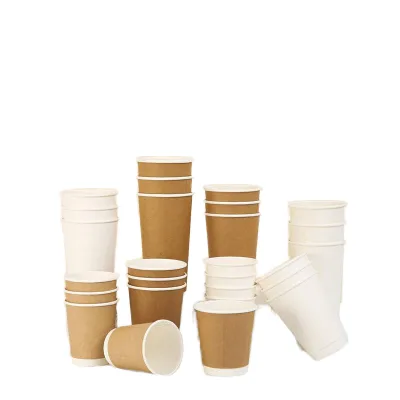
The foundation of a successful procurement strategy lies in defining precise technical specifications. In the current market, double wall construction is frequently observed in both glass and paper-based materials, each serving different thermal and aesthetic needs. For paper-based solutions, the industry standard often involves a double-wall configuration where two layers of paperboard are bonded to create an air gap. This air gap is the primary mechanism for heat retention, preventing the exterior surface from becoming too hot to hold while maintaining the beverage's temperature.
Material selection is paramount. While glass options exist with specific model identifiers like SH230323, the paper sector frequently utilizes materials that are certified for food contact. The technical profile of a high-quality double wall paper cup often includes a capacity range spanning from 4oz to 32oz, with specific models designed for 10oz or 450ml volumes. The embossing process adds a third layer of complexity; it is not merely decorative but can enhance structural rigidity. Buyers must verify that the embossing does not compromise the integrity of the inner liner, which is essential for liquid containment.
Furthermore, the presence of accessories significantly alters the product specification. A complete system often includes handles or lids. Market observations indicate that some double wall units are supplied with handles, while others are designed for use with covers. The lid configuration is critical; some specifications list "With Lid" as a standard feature, while others may be "Without Lid" depending on the specific model variant. Procurement teams must ensure the selected model matches the operational requirement, whether it is a hot cup, cold cup, tea cup, or a multi-purpose drinking cup. The usage profile often extends to pharmaceutical or gift packaging, necessitating strict adherence to material purity and safety standards.
Compliance, Certification, and Safety Standards
Navigating the regulatory landscape is a non-negotiable aspect of sourcing double wall embossed coffee cups. While specific certification status varies by supplier, the industry generally looks for adherence to environmental and safety benchmarks. The term "Eco-Friendly" is frequently associated with these products, implying the use of recyclable or biodegradable materials. However, buyers must verify this claim against recognized standards rather than accepting marketing terminology at face value.
One critical area of verification involves biodegradability standards. In the European market, compliance with EN13432 is a common benchmark for compostable packaging, though availability depends on the specific supplier's manufacturing capabilities. Similarly, the Forest Stewardship Council (FSC) certification is a trusted indicator of sustainable forestry practices, ensuring that the paperboard originates from responsibly managed forests. While these certifications are not universally present on every listing, they represent the gold standard for procurement in this category.
Safety is equally critical. Products intended for food and beverage contact must be non-toxic and harmless. The "Advantage" attributes often cited in product data include terms like "Healthy," "Nontoxic," and "Sanitary." These are not merely marketing fluff but reflect the underlying material safety requirements. Buyers should request test results or compliance certificates confirming that the materials do not leach harmful substances when exposed to hot liquids. The origin of the product, often traced to manufacturing hubs in China or specific regions like Nanjing, also influences the regulatory compliance landscape, as different regions enforce varying degrees of food safety monitoring.
Cost Drivers and Economic Factors
Understanding the cost structure of double wall embossed coffee cups is essential for budgeting and negotiation. The price range observed in the market can vary significantly, with some listings indicating a wide spectrum from $0 to $6 per unit. This variance is driven by several key factors, primarily material quality, customization complexity, and order volume.
The primary cost driver is the material composition. Double wall construction inherently requires more raw material than single-wall cups, increasing the base cost. Additionally, the embossing process adds a manufacturing step that requires specialized tooling and machine time. Customization further escalates costs; options such as custom logos, specific printing techniques like offset or flexographic printing, and unique color schemes (e.g., unicolor designs) all contribute to the final price.
Order volume plays a decisive role in unit economics. The Minimum Order Quantity (MOQ) for these products typically ranges from 100 to 100,000 units, with specific models like the paper cup variants often requiring an MOQ of 10,000 pieces. Larger orders generally benefit from economies of scale, reducing the per-unit cost. However, the lead time must also be considered; a standard delivery time of 20 days is common, but rush orders or highly customized designs may extend this timeline, indirectly affecting the total cost of ownership. Buyers should also factor in packaging costs, as the standard packing for these items can vary from simple cartons to master cartons on pallets, impacting shipping logistics.
Typical Applications and Usage Scenarios
The versatility of double wall embossed coffee cups makes them suitable for a wide array of applications. The primary use case remains the hospitality sector, including coffee shops, cafes, and restaurants, where thermal retention is crucial for customer satisfaction. The double wall design ensures that hot beverages remain hot without burning the consumer's hands, a significant advantage over single-wall alternatives.
Beyond traditional coffee service, these cups are increasingly used for cold beverages, teas, and even jelly cups. The embossed texture provides a premium tactile experience that enhances the perceived value of the product, making them ideal for high-end retail environments or gift packaging. The "Sport" and "Simple" styles observed in the market suggest adaptability to different brand identities, from athletic venues to minimalist cafes.
In specific industrial contexts, the usage extends to pharmaceutical packaging and universal packaging solutions. The ability to customize the cup for specific branding or functional requirements allows businesses to use these vessels for promotional events, corporate gifts, or specialized food service. The inclusion of lids and handles further expands their utility, allowing for on-the-go consumption while maintaining spill resistance and thermal safety.
Supplier Evaluation and Selection Criteria
Selecting the right supplier requires a rigorous evaluation process that goes beyond price comparisons. Buyers should prioritize suppliers who demonstrate transparency in their manufacturing capabilities and quality control measures. The origin of the product, such as production in China or specific cities like Nanjing, should be verified to ensure it aligns with the buyer's logistical and ethical sourcing requirements.
Key evaluation criteria include the supplier's ability to handle customization. The market shows a strong trend toward "Customized" products, with many suppliers offering design services for logos and specific printing techniques. A capable supplier will have the technical expertise to execute complex embossing patterns and ensure consistent color matching. Additionally, the supplier's track record regarding quality should be assessed. Attributes like "Best" quality and "OEM" (Original Equipment Manufacturer) capabilities indicate a supplier's readiness to meet specific client standards.
Logistics capabilities are also vital. The loading port, such as Qingdao, is a critical piece of information for freight planning. Buyers must confirm the supplier's ability to meet the required lead times, typically around 20 days, and their flexibility in handling different packing configurations, from individual boxes to bulk pallets. A supplier that offers a wide range of models, from specific model numbers like hess-010 to generic paper cup variants, demonstrates a robust inventory and production capacity.
Quality Control and Long-Term Procurement Strategy
Maintaining consistent quality is the cornerstone of a successful long-term procurement relationship. For double wall embossed cups, quality control must focus on the integrity of the wall construction, the precision of the embossing, and the safety of the materials. Buyers should implement a sampling protocol that tests for thermal performance, leak resistance, and structural stability under load.
Long-term procurement strategies should emphasize flexibility and scalability. As market demands shift, the ability to adjust order volumes and specifications is crucial. Suppliers that offer a range of capacities, from 4oz to 32oz, and various lid configurations provide the necessary adaptability. Furthermore, establishing a clear communication channel for quality feedback ensures that any deviations from the standard are addressed promptly.
Sustainability should also be a core component of the long-term strategy. As environmental regulations tighten, the demand for eco-friendly and certified products will likely increase. Procurement teams should proactively seek suppliers who are investing in sustainable practices and can provide the necessary documentation to support their environmental claims. By focusing on these strategic elements, buyers can secure a reliable supply chain that supports both operational efficiency and brand integrity.
Conclusion
Sourcing double wall embossed coffee cups requires a balanced approach that integrates technical precision, regulatory compliance, and strategic supplier management. By understanding the nuances of material construction, verifying safety standards, and evaluating cost drivers, buyers can make informed decisions that align with their business objectives. The market offers a diverse range of options, from glass to paper, with varying levels of customization and capacity. Success in this category depends on the ability to navigate these complexities while maintaining a focus on quality and sustainability. Through diligent evaluation and continuous monitoring, procurement professionals can secure a supply chain that delivers value and reliability in the competitive beverage packaging sector.
FAQs
What materials are used for double wall embossed coffee cups?
These cups are commonly made from glass or paper materials. Glass options include specific models like SH230323, while paper variants often feature double-wall construction for insulation.
Can I order custom printed designs on these cups?
Yes, customization is available for logos and designs. Suppliers offer printing techniques such as offset and flexographic printing to create unicolor or printed patterns on the product.
What is the typical minimum order quantity for these cups?
The minimum order quantity typically ranges from 100 to 100,000 units. Specific paper cup models often require an MOQ of 10,000 pieces to initiate production.
How long does it take to receive an order?
The standard delivery time is approximately 20 days. This lead time applies to standard orders, though highly customized designs may require additional processing time.
Which capacities are available for double wall paper cups?
Available capacities range from 4oz to 32oz, including specific sizes like 10oz or 450ml. Some models are designed for hot, cold, tea, or jelly cup usage.
Are these cups suitable for hot beverages?
Yes, they are designed for hot cups, cold cups, and tea cups. The double wall construction helps maintain temperature while preventing the exterior from becoming too hot to hold.